
Teacher Training Webinar: Type 1 Diabetes at School: Building Confidence, Safety, and Support in the Classroom
Watch the Recording Here: https://home.edweb.net/webinar/schoolsafety20260820/
This edWebinar equips K–12 educators and school leaders with practical knowledge to confidently support students with diabetes. The presenters highlight what diabetes management looks like from the student’s perspective and how school policies can impact safety, independence, and participation.
Learning objectives include:
Recognize the key differences between type 1 and type 2 diabetes and how they affect students at school
Understand Section 504 rights and accommodations for students with diabetes
Explore how cell phone bans and school technology policies intersect with diabetes management and access to glucose data
Understand the role of CGMs, insulin pumps, smartphones, and other diabetes technology in the classroom
Review updated hypoglycemia (low blood sugar) terminology and treatment guidance
Through real-world examples and student perspectives, viewers gain practical strategies to create a school environment that promotes safety, inclusion, independence, and equitable access to education for students with diabetes. This edWebinar is of interest to K-12 teachers, school leaders, and district leaders.
About the Presenters
Bailee Perreault
Bailee Perreault is a wife, mother, and dedicated registered nurse with over 12 years of experience, including ten and a half years in a pediatric emergency department. She is extremely passionate about creating a community that offers unwavering support to individuals living with type 1 diabetes. She hopes to create an environment for every type 1 diabetic to be successful, including in the classroom, and that starts with helping those in charge of their education mitigate some of the challenges that they live with every day.
Bruna Presz
Bruna Presz is a special education coordinator and holds an M.Ed. in special education from National Luis University. Bruna has been in education for the past 13 years, serving in various roles as a special education teacher and district special education instructional coach, where she created systems to support students with IEPs and 504s. During her time as a district special education coach, Bruna spent a lot of time supporting schools to create systems to support students with accommodations. Bruna is also the parent of a child with type 1 diabetes. Her passion lies in supporting families and schools to implement effective 504 plans that cater to students’ individual needs. She lives in Buckeye, AZ, with her husband and two daughters.
Kerry Murphy
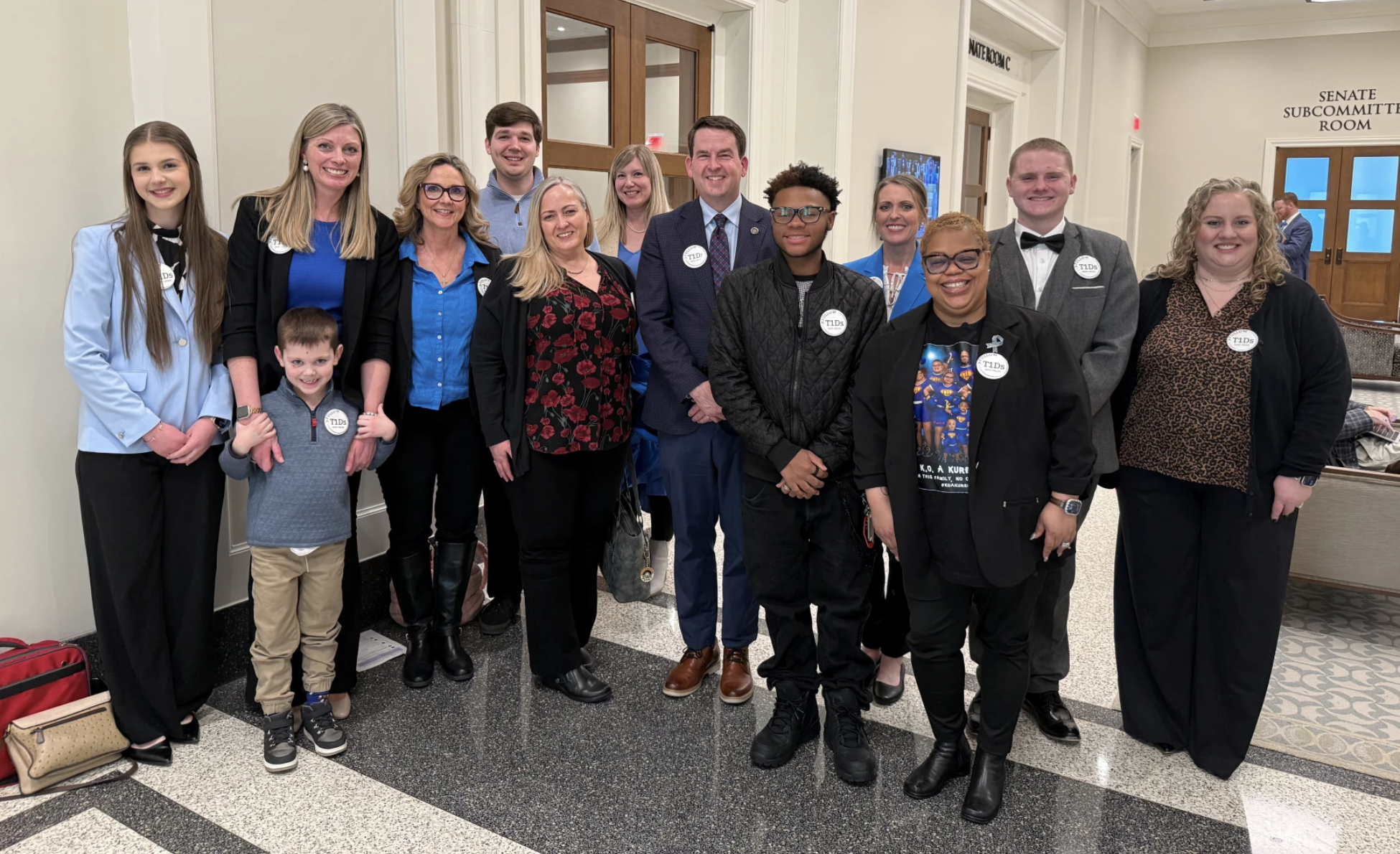
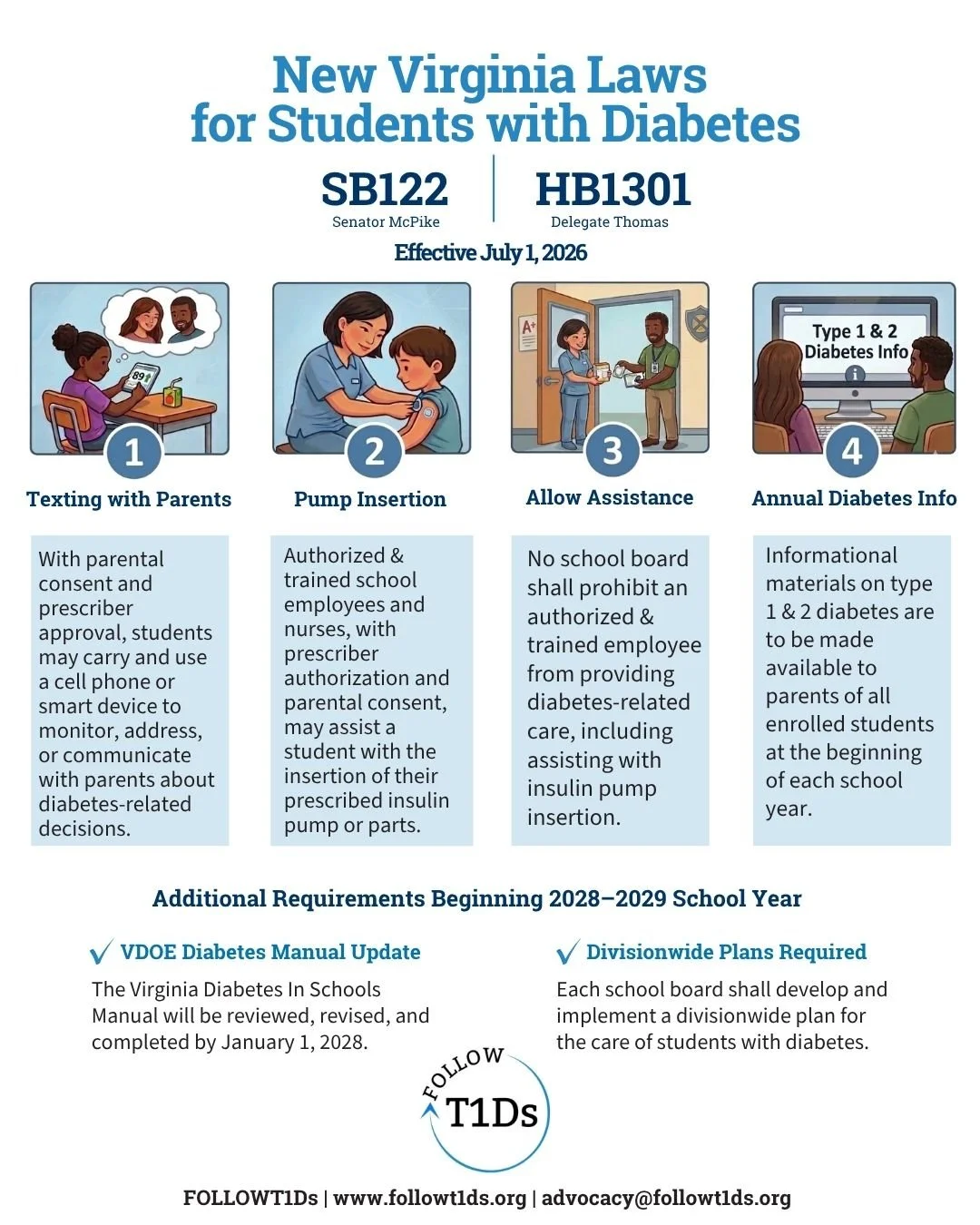
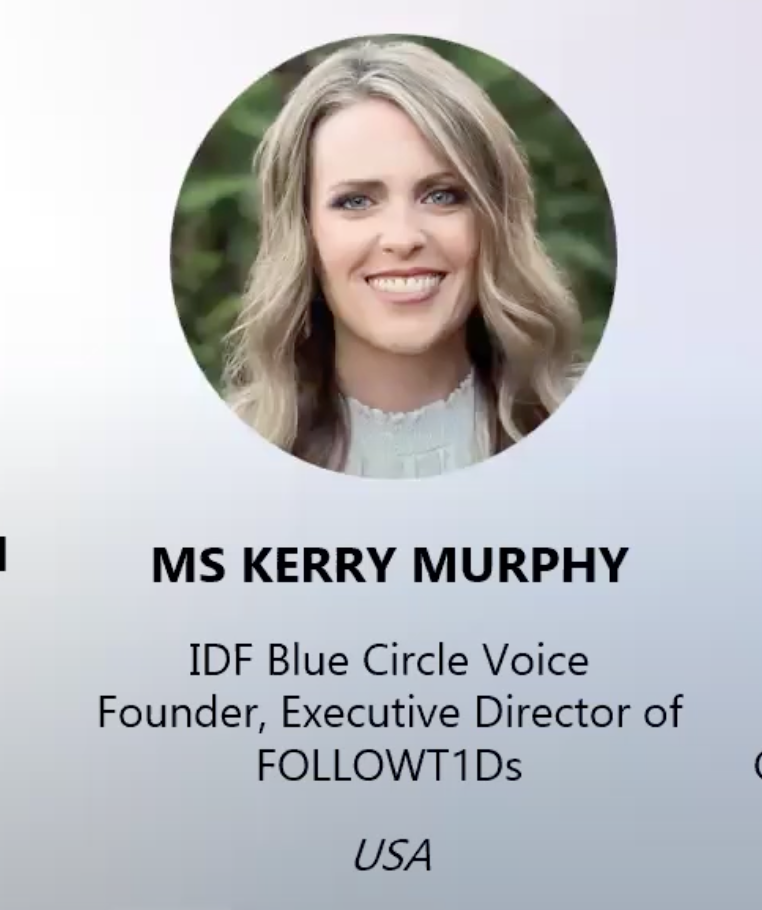
Kerry Murphy is the Founder and Executive Director of FOLLOWT1Ds, a national 501(c)(3) nonprofit dedicated to improving the implementation of diabetes care in schools through advocacy, education, and collaboration. Her advocacy helped advance Virginia legislation strengthening diabetes care in schools, which was signed into law on July 1, 2026, and has influenced and contributed to changes in school district policies and practices nationwide. Kerry works with parents, educators, healthcare professionals, lawmakers, and policymakers to address barriers affecting students with type 1 diabetes at school.
About the Moderator
Mary Cipolla
As Professional Learning Manager at edWeb.net, Mary Cipolla supports a growing number of schools, districts, and ESAs who are using edWeb to offer virtual professional learning options for teachers, administrators, and all staff. Mary is also responsible for edWeb’s state CE certification approvals and renewals and is a program manager for professional learning edWebinars. Prior to working with edWeb, Mary was an elementary school teacher. She holds a BA in psychology from Arizona State University, a master’s in education from Northern Arizona University, and a postgraduate certificate in educational technology. Mary is a parent to a child with type 1 diabetes and a passionate advocate for education on type 1.
Join the School Health & Safety community to network with educators, participate in online discussions, receive invitations to upcoming edWebinars, and view recordings of previous programs to earn CE certificates.
Learn more about earning a CE certificate and our accessibility features.
FollowT1Ds
FOLLOWT1Ds is a nonprofit organization dedicated to improving the implementation of diabetes care in schools through advocacy, education, and collaboration. The organization works to help ensure that students with type 1 diabetes can fully access their prescribed diabetes technology, receive necessary support throughout the school day, and participate fully in school activities. FOLLOWT1Ds brings together families, school nurses, educators, healthcare professionals, and advocates to identify gaps in school diabetes care and develop practical resources that promote safer, more consistent practices. Its work focuses on strengthening communication, increasing understanding of students’ diabetes-related needs, and helping schools translate medical plans, legal protections, and current diabetes technology into effective day-to-day support for students.
Diabetes Network of Arizona
The Diabetes Network of Arizona is dedicated to transforming the lives of individuals affected by diabetes by providing education, empowerment, and fostering connections within the community. Our mission is to redefine the experience of living with chronic illness, ensuring that every person impacted by diabetes receives the knowledge, resources, and support necessary to lead a fulfilling and empowered life.
Watch the Recording Here:https://home.edweb.net/webinar/schoolsafety20260820/

Blue Circle Talk: Giving voice, gaining impact: women leading change in diabetes
On 6 March 2026, the International Diabetes Federation hosted this Blue Circle Talk: “Giving voice, gaining impact: women leading change in diabetes” to mark International Women’s Day. The 2026 theme, “Give to Gain,” highlights the far-reaching impact of women’s contributions to diabetes care and advocacy worldwide. This webinar brings together women diabetes advocates from across the globe to reflect on how their leadership, lived experience and dedication help strengthen prevention efforts and expand equitable access to quality care, particularly in under-resourced communities. From community engagement and education to global advocacy, the discussion explores how individual actions can lead to collective progress in diabetes care.
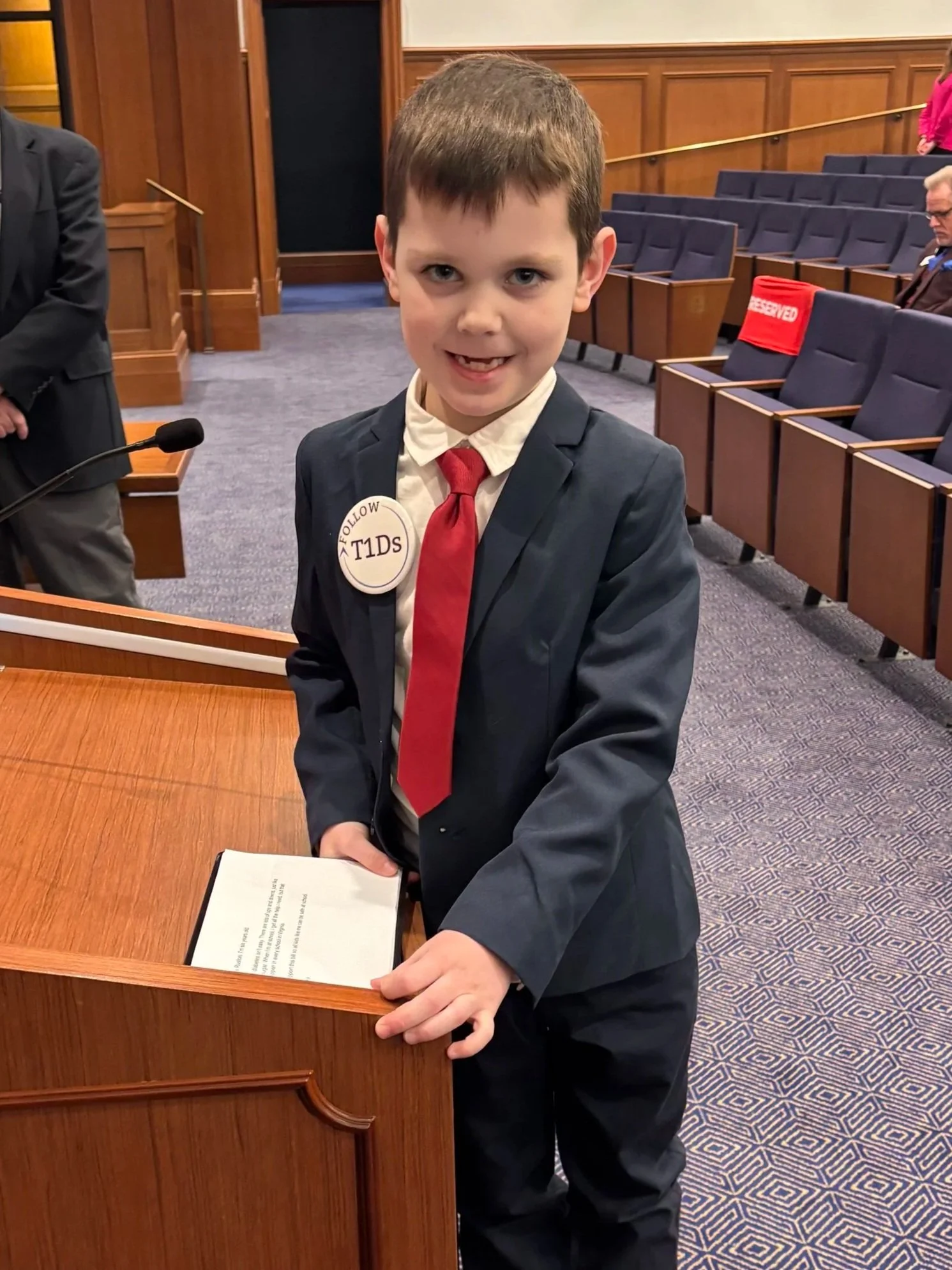
WTOP Reports: Why a 6-year-old with diabetes is pushing for change in Virginia
WTOP interviewed Ruston, a 6-year-old student living with Type 1 Diabetes who is raising awareness about Virginia legislation which seeks to modernize 30-year-old code governing diabetes care in schools.
…The legislation would also require schools have procedures for administering insulin and glucagon. Families who have students with diabetes would send schools medical orders from their doctors that outline the child’s needs. “A lot of times, the schools will either deny or modify these accommodations, even though they’re medically necessary,” Kelly said. The statewide regulations haven’t been updated since 1999, Kelly said. “While we’ve had all of these technology advances, like the insulin pump and the CGM, Virginia still hasn’t advanced their laws to align with standard methods of care that we’re using today,” Kelly said. Ruston doesn’t receive insulin shots anymore. But Virginia law is behind on that front, according to Kelly and other advocates. “Right now, the policy in Virginia, if his pump were to fall off while at school, they would, instead of reinsert the pump, they would give him a shot,” Kelly said. In that scenario, Kelly said the school employee would have to calculate how much insulin to dose. “I wouldn’t even know what to dose him, because with the pump, it’s automated nowadays,” she said. “It would require an immediate call to his doctor for guidance.” She worries that it could lead to a miscalculation and health complications.
Jessica Kronzer | jkronzer@wtop.com
March 3, 2026, 8:45 AM
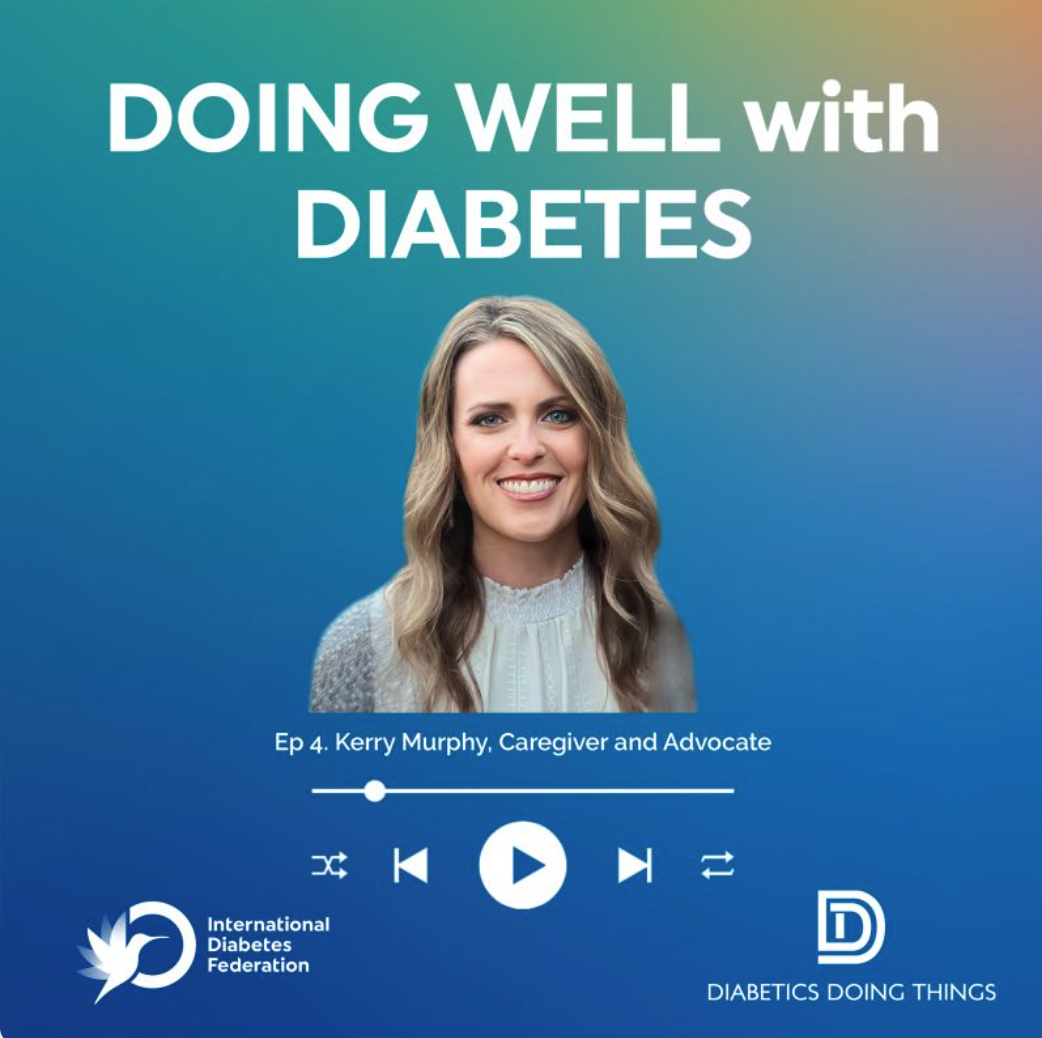
Doing Well with Diabetes Podcast: Turning fear into advocacy for safer schools
Host Rob Howe sits down with Kerry Murphy to explore the realities of managing type 1 diabetes in school settings and the journey from fear to advocacy. As a parent of a child with T1D and founder of Follow T1Ds, Kerry shares how her experience revealed critical gaps between modern diabetes care and outdated school protocols.

Webinar | Healthy schools, healthy futures: the KiDS program in global diabetes education
“According to the latest edition of the IDF Diabetes Atlas, over 9.5 million people were living with type 1 diabetes in 2024, including approximately 1.9 million children and adolescents under the age of 20. In addition, there is an increase in type 2 diabetes among children and adolescents. This is primarily due to the concerning global rise in childhood obesity.
Schools are an optimal environment for shaping lifelong behaviours, and school staff, as frontline educators, are uniquely positioned to support students living with diabetes and promote healthy habits.
On World Teachers’ Day 2025, this webinar will celebrate the fundamental role of teachers and school staff in supporting students’ health and well-being. The exchange will showcase how the KiDS programme is driving diabetes education in schools worldwide.
The Kids and Diabetes in Schools (KiDS) programme aims to bring diabetes education to schools to combat diabetes-related stigma and to promote healthy lifestyles to prevent type 2 diabetes risk factors. These aims align with the United Nations’ Sustainable Development Goals. In the last decade, the KiDS programme has been implemented in 23 countries, reaching over one million students. “ https://idf.org/events/webinars/healthy-schools-healthy-futures/
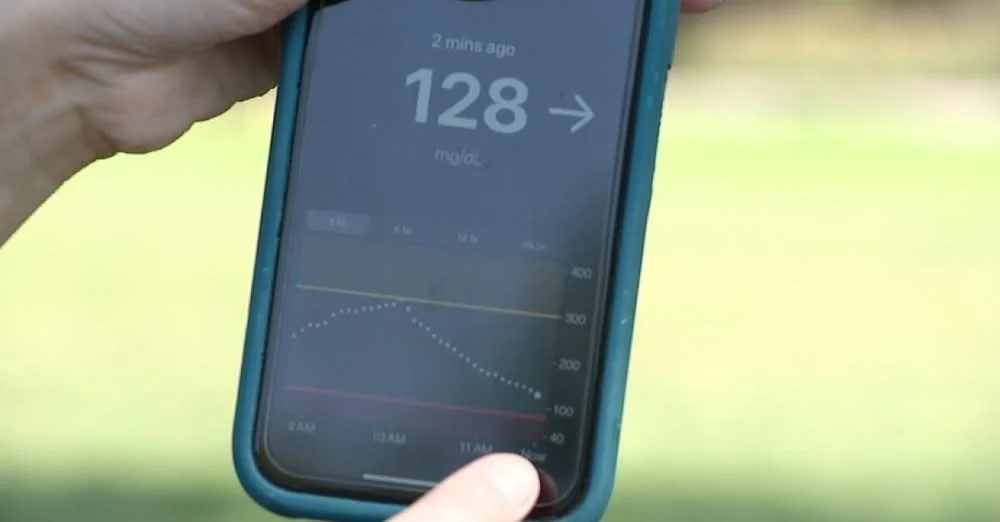
'It's a very, very serious matter': WNY parents demand schools monitor children's diabetes remotely
Some parents in the Northtowns are demanding change after saying school nurses are not remotely monitoring their children with Type 1 diabetes, despite technology that makes it easier than ever.
By: Eileen Buckley
Posted 4:58 PM, Sep 16, 2025
and last updated 6:14 PM, Sep 16, 2025
Sign the petition to the schools to follow CGMs: https://c.org/N9tyWwGz7C
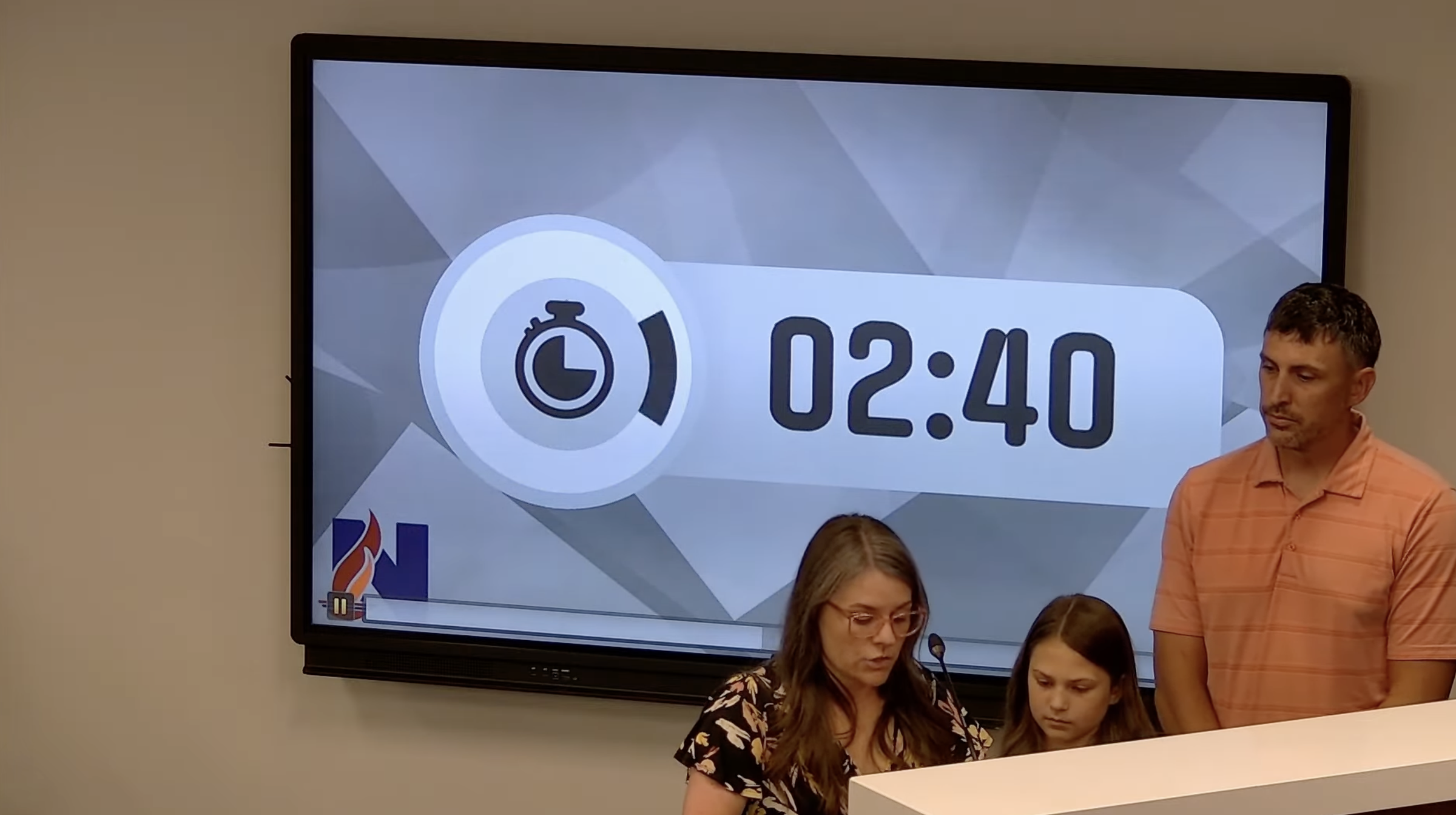
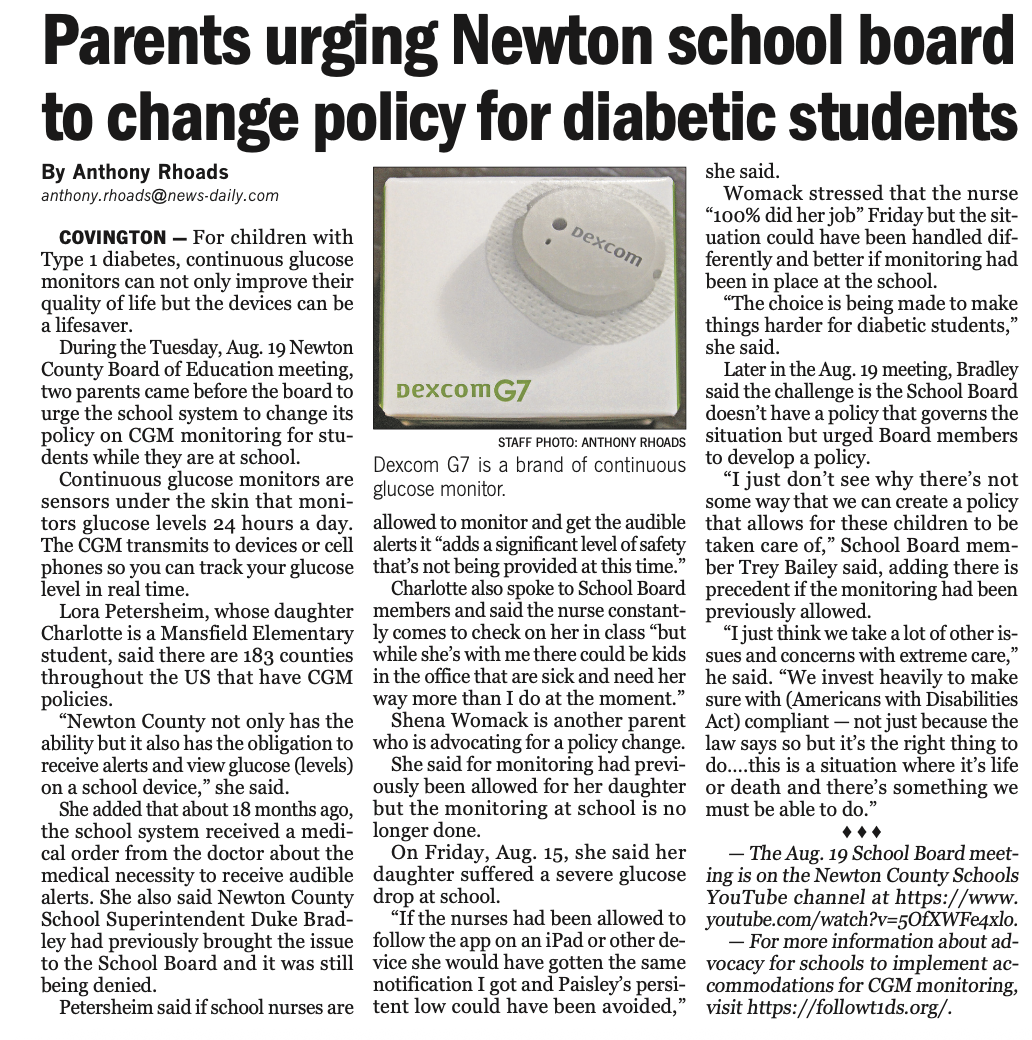
Parents Urging Newton School Board to Change Policy for Diabetic Students
“COVINGTON — For children with Type 1 diabetes, continuous glucose monitors can not only improve their quality of life but the devices can be a lifesaver.
During the Tuesday, Aug. 19 Newton County Board of Education meeting, two parents came before the board to urge the school system to change its policy on CGM monitoring for students while they are at school.
Continuous glucose monitors are sensors under the skin that monitors glucose levels 24 hours a day. The CGM transmits to devices or cell phones so you can track your glucose level in real time.
Lora Petersheim, whose daughter Charlotte is a Mansfield Elementary student, said there are 183 counties throughout the US that have CGM policies.
“Newton County not only has the ability but it also has the obligation to receive alerts and view glucose (levels) on a school device,” she said.”
Aug 22, 2025
Georgia Parents Advocate for Newton County Schools to Implement Remote Monitoring for Students with Diabetes
Parents of students in Newton County Public Schools, Georgia, urged the Board of Education to reconsider its policy prohibiting remote monitoring of continuous glucose monitors (CGMs) for children with diabetes.
Arlington County Schools in Virginia to Implement Remote Monitoring on School Provided Ipads 2025-2026 School Year
Use of Mobile Applications: Some CGMs transmit data remotely to multiple devices simultaneously via smartphone technology using an application. A parent/guardian may request that Arlington School Health staff and/or APS Principal Designees use the application to periodically observe their child’s CGM data during the school day by completing the Parent/Guardian Agreement and Acknowledgement Form for the Remote Monitoring of Student’s Continuous Glucose Monitor (CGM).

Prince William County Schools in Virginia Begins Secondary Device Initiative
Prince William County Public Schools (PWCS) is set to launch a new divisionwide initiative at the start of the 2025-26 school year. This initiative aims to enhance the management of diabetes and other medical conditions requiring continuous glucose monitors (CGMs). To facilitate this, schools will be equipped with iPads as secondary devices. These devices will provide an additional layer of safety by ensuring quicker responses to CGM alarms and minimizing the risks of hypoglycemia and hyperglycemia.

Delaware Valley Schools in Pennsylvania Reverses Decision to Monitor CGM’s for T1Ds based on DOJ Mandate in Washington State
Nearly one year ago Delaware Valley (DV) school board members in Pennsylvania were firm in their decision not to monitor the continuous glucose monitors (CGMs) of students with type 1 diabetes. As reported by the Pike County Courier last year parents continued to advocate for the school district to understand the safety and legal implications of refusing. The Western District of Washington recently released a letter from the US Attorney that required Highline Public Schools to monitor CGMs. Referencing this letter in tonights meeting, DV schools announced that because this letter has federal implications for all public schools at the “federal level", they would seek to comply with the Americans with Disabilities Act and implement the accommodation for their students with type 1 diabetes this school year.
Metro Nashville Public Schools Agrees to Settle Allegations It Violated the Americans with Disabilities Act
Metro Nashville Public Schools Agrees to Settle Allegations It Violated the Americans with Disabilities Act by Discriminating Against Students with Type 1 Diabetes and to Modify Policies for Students with Type 1 Diabetes (Middle District of Tennessee, 2025)
“…agreed to modify the District’s policies, practices and/or procedures to permit the use of CGMs by children diagnosed with T1D who are prescribed such devices by a physician (or an advanced practice provider), to purchase or use existing equipment owned by the District to monitor blood glucose alerts transmitted from CGMs of children with T1D…”

Metro Nashville Public Schools to Modify Policies for Type 1 Diabetes
MNPS agrees to modify policies for students with Type 1 Diabetes after DOJ complaint
by: Jessica Barker
Posted: Aug 12, 2025 / 03:01 PM CDT
Americans with Disabilities Act Investigation of Highline Public Schools
Americans with Disabilities Act Investigation of Highline Public Schools Closing Letter from U.S. Attorney (W.D. Washington State, 2025): CGM Monitoring is a Reasonable Accommodation
page3 (3b): “For students whose medical needs require glucose monitoring and who use an FDA-approved CGM, school nurses, parent designated adults, and other necessary school personnel will be appropriately trained and available to monitor and effectively respond to information and alerts transmitted to a receiver, tablet/smartphone application, or other appropriate technology during the school day and school-sponsored activities as determined necessary based on the student’s developmental ability, individual level of independence, proximity to initial diagnosis, and/or age.”